Non-Hazardous Waste Removal
WHAT IS NON- HAZARDOUS WASTE DISPOSAL?
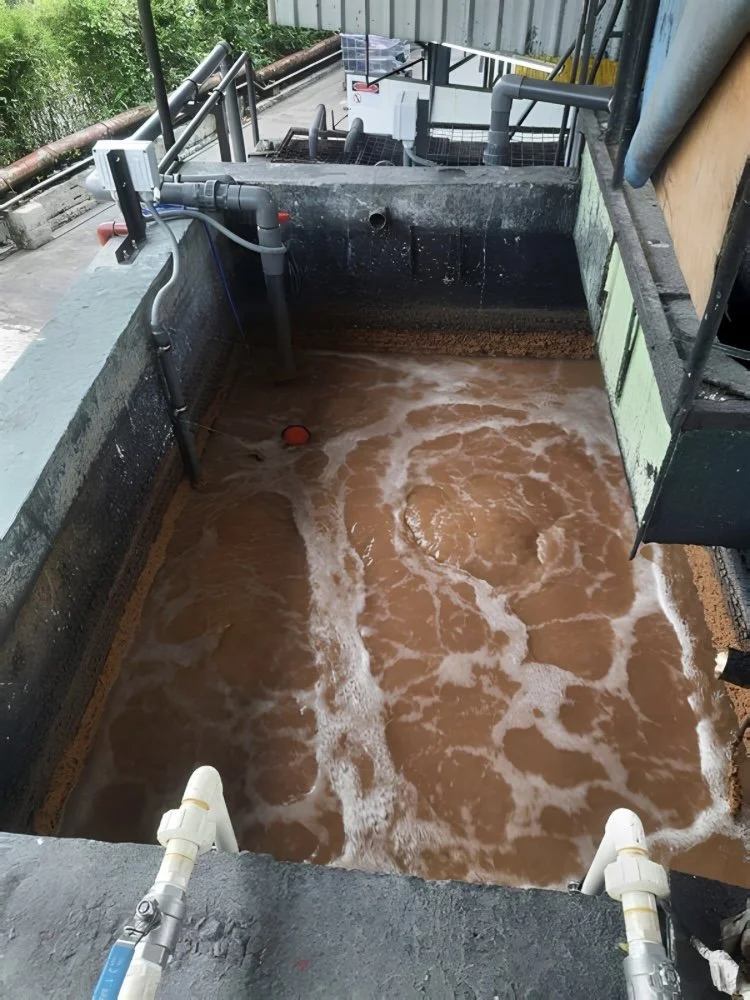
Non-hazardous waste disposal refers to the proper collection, handling, and disposal of waste materials that do not meet hazardous classification standards, but still require responsible management to ensure environmental safety and regulatory compliance.
In water treatment applications, this typically includes:
Cooling tower and boiler blowdown
Filter backwash and sludge
Used treatment solutions and rinse water
Non-hazardous chemical residues
Wastewater containing oils, detergents, or dissolved solids
While these materials are not classified as hazardous, they still must be handled, stored, and disposed of correctly to prevent environmental impact and operational issues.
At Adam Chemical, non-hazardous waste disposal is approached with a focus on:
Accurate waste stream identification
Proper storage and containment
Safe transportation and disposal
Compliance with applicable regulations
WHY IS IT IMPORTANT?
Even non-hazardous waste can create problems if it is not properly managed.
Environmental Responsibility
Wastewater and residuals can still contain substances that impact soil, drainage systems, and local waterways if improperly disposed of.
Regulatory Compliance
Many non-hazardous waste streams are still subject to local, state, and federal guidelines. Proper handling helps avoid violations, fines, or liability.
System Performance
Allowing waste byproducts to accumulate can lead to:
Reduced system efficiency
Increased fouling or scaling
Premature equipment wear
Cost Control
A structured disposal plan helps:
Avoid unnecessary emergency cleanouts
Prevent misclassification of waste
Keep long-term operating costs predictable
WHEN SHOULD NON-HAZARDOUS WASTE DISPOSAL BE DONE?
Non-hazardous waste disposal should be handled proactively as part of a routine maintenance program, not just when issues arise.
Common scenarios include:
Scheduled system cleanouts (cooling towers, boilers, tanks)
Filter maintenance and backwash cycles
System performance decline (efficiency loss, buildup, poor water quality)
After chemical program changes or system adjustments
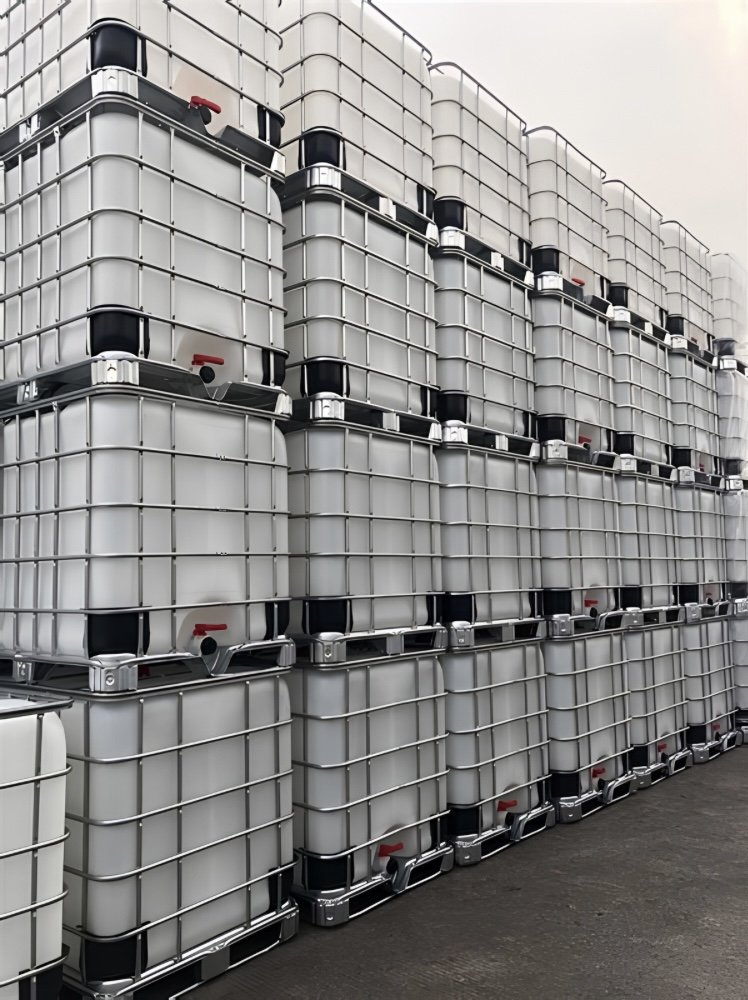
When storage containers or tanks reach capacity
During environmental or compliance inspections
Staying ahead of waste accumulation helps maintain system reliability and prevents larger issues down the line.
WORK WITH ATOM CHEMICAL
Every system produces different waste streams based on its operation, water chemistry, and treatment program. There is no one-size-fits-all approach.
Atom Chemical provides:
Waste stream evaluation and guidance
Recommendations for proper storage and handling
Coordination of safe and compliant disposal
Planning based on system size and waste volume
Get Rid Of Your Non-Hazardous waste WITH ATOM CHEMICAL
For assistance with waste quantities, storage methods, and pricing, contact Atom Chemical to develop a disposal plan tailored to your system.
CONTACT US
Atom Chemical
525 Maplewood Boulevard Georgetown, Indiana 47122

8:00am–4:30pm

(812) 949-2866
Monday–Friday

meganscott@atomchemical.com
